
The Ghost in the Pocket: Mid-February and the Weight of Quiet

There is a specific kind of silence that only exists in Maine in the dead of February. It’s a heavy, insulating quiet that settles over Biddeford like a wool blanket left out on the porch—stiff, cold, and honest.
For years, I filled that silence with the hum of a screen. Nine hours a day, to be exact. My life was a series of glass surfaces: checking accounts, scrolling through the endless digital noise of a national account manager’s inbox, and letting the blue light of a smartphone act as a surrogate fireplace.
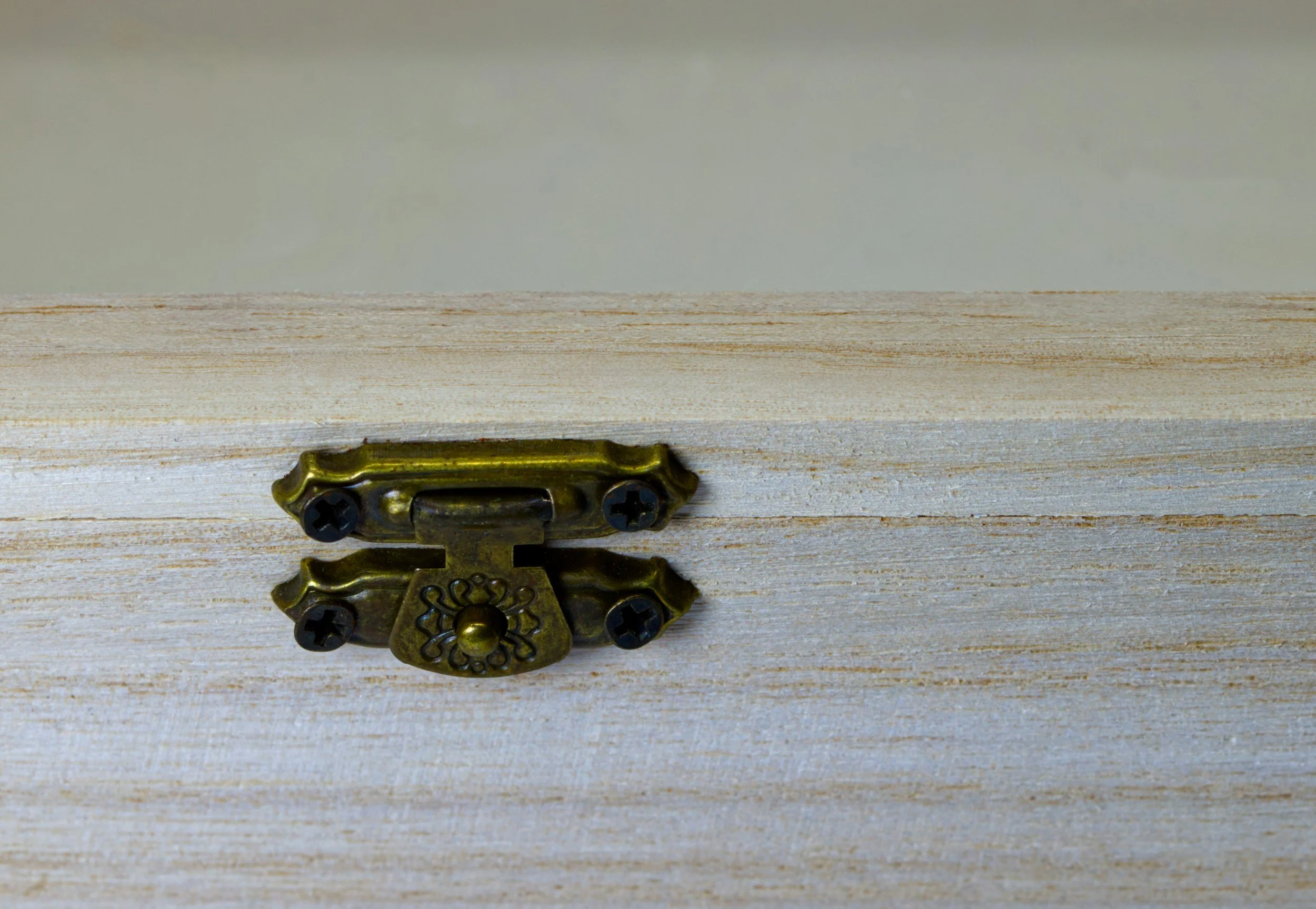
But as I march toward forty this August—my "Year of Charting Forward"—I’ve realized that you can’t build a rugged life on a foundation of pixels. So, this week, I did something that felt like a minor act of rebellion: I put the phone in a lockbox.
The Phantom Vibration
The first twenty minutes of a "locked" evening are the hardest. You feel the "phantom vibration" in your pocket—a ghostly twitch of a notification that isn’t there. It’s a digital muscle memory, a twitchy reflex that reminds you just how much of your presence has been outsourced to a piece of silicon and glass.
Without the scroll, the room changes. The shadows in the corners of the house seem deeper. The ticking of the clock becomes a physical rhythm. You’re forced to look at the person across from you—in my case, Mark or my mother—and actually be there. No "just a second, let me check this," no half-hearted "uh-huh" while scanning a headline. Just the raw, sometimes uncomfortable reality of being present.

Living the "Funny Farm"
I’ve often joked about my Funny Farm aspirations—that 1988 dream of a quiet, eccentric life in a big white house with a picket fence and a manual typewriter. But the truth is, the "analog life" isn't just a nostalgic aesthetic; it’s a survival strategy.
In the mid-February chill, when the wind rattles the windowpanes, there is something deeply grounding about the tactile world. It’s the scratch of a fountain pen on a postcard for The Paper Trail. It’s the weight of a physical book. It’s the realization that while my Kia Sportage might be a marvel of modern engineering, it’s my ability to sit in a quiet room without a distraction that actually defines my discipline.

The Mid-Winter Challenge
We are in the "In-Between" season. The holidays are a memory, and spring is still a rumor whispered by the seed catalogs. This is when the digital world tries to claim us most—offering a loud, bright escape from the gray outdoors.
My challenge to you, fellow travelers on this country road, is to embrace the gray. Let your phone die for an hour. Put it in a drawer. Feel the phantom vibration, recognize it for the leash it is, and then let it fade.
There is a whole world happening in the quiet spaces between notifications. It’s rugged, it’s honest, and it’s waiting for you to notice it.
The Chronicler’s Toolkit: 3 Ways to Reclaim Your Analog Focus
If you're feeling the "digital itch" this week, here is how I’m reclaiming my territory. You don’t need a total life overhaul—just a few small boundaries.
• The "Sunset Shutdown": Pick a time—7:00 PM or 8:00 PM—where the phone goes into a drawer or a lockbox. No exceptions. The first night will feel restless; the third night will feel like a vacation.
• The Tactile Morning: Don't let a screen be the first thing you touch when you wake up. Replace the morning scroll with a physical habit: grind your coffee beans manually, write three lines in a notebook, or simply look out the window at the frost before you check the weather on an app.
• Carry a "Physical" Backup: If you usually reach for your phone to kill time in a waiting room or a checkout line, keep a paperback or a small pocket notebook on you. Reclaim those "micro-moments" of boredom; that's usually where the best ideas are hiding.