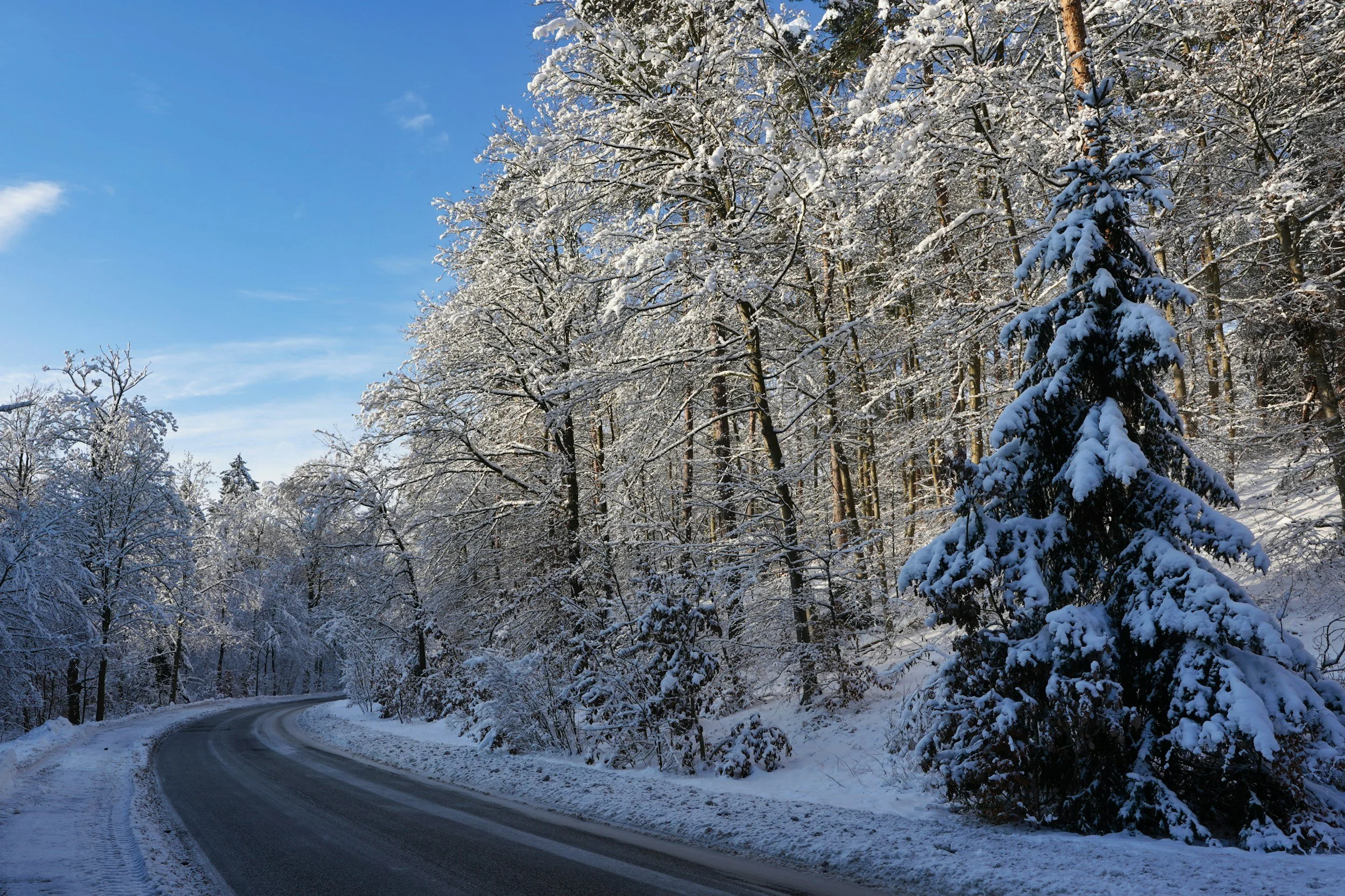
The High Cost of Living Fast
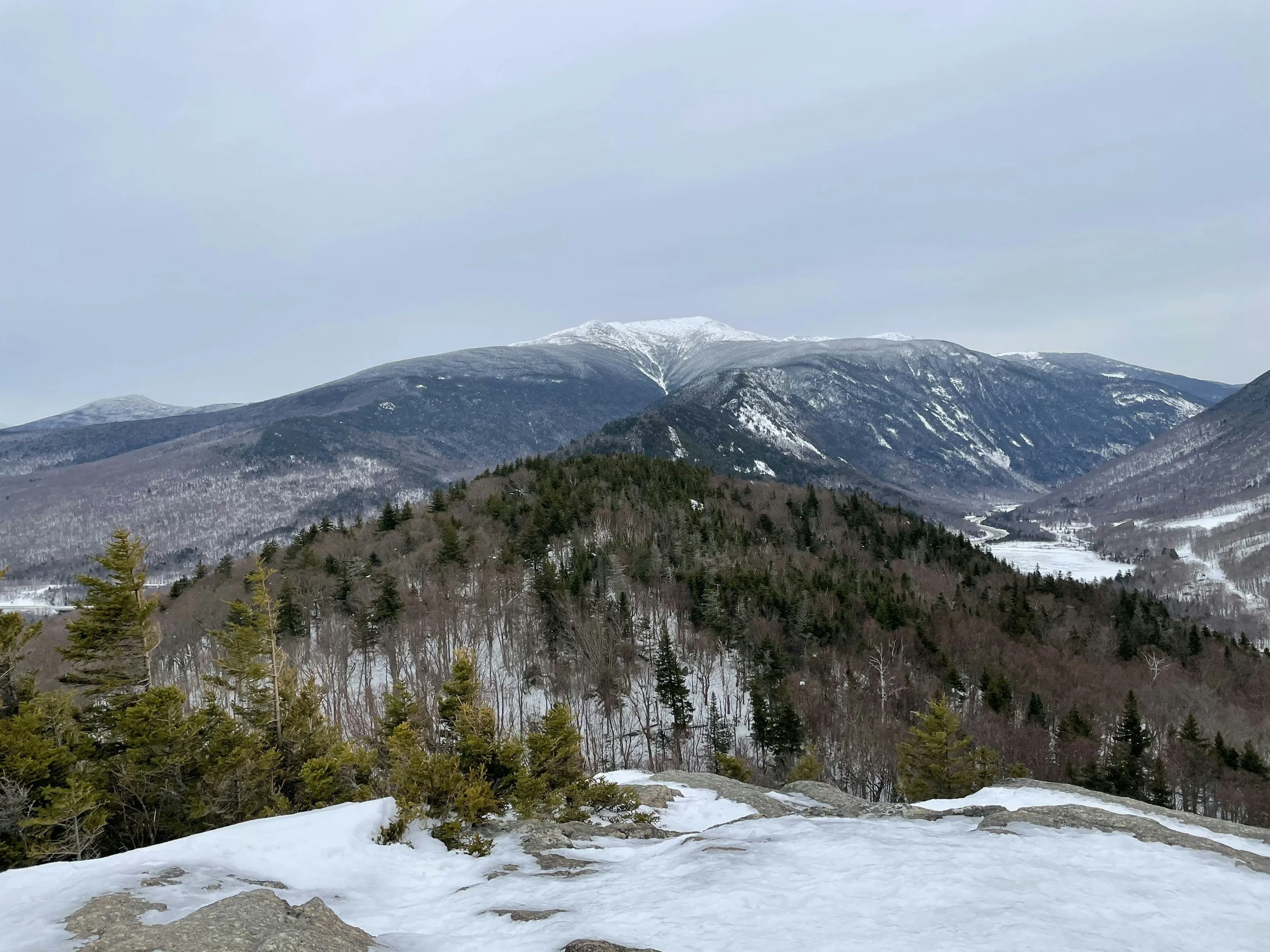
We spent the short, gray days of February learning how to slow down our hands—knitting, writing, and tending to the woodstove. But as the light begins to linger just a few minutes longer over the Maine pines, I’ve started to realize that "slowing down" isn’t just a spiritual practice; it’s a financial one. We live in a world designed to tax our impatience. Every "convenience" we consume is a withdrawal from the bank of our independence.
Think of the last time you were in a rush. You likely took the interstate, paying the toll of both actual coins and the mental tax of white-knuckled driving between tractor-trailers. You grabbed a coffee in a plastic cup that stayed hot for ten minutes but cost as much as a pound of high-quality beans at home. This "fast" life is expensive. It demands that we outsource our basic needs to corporations because we’ve traded our time for a paycheck, only to spend that paycheck on saving the very time we lost.
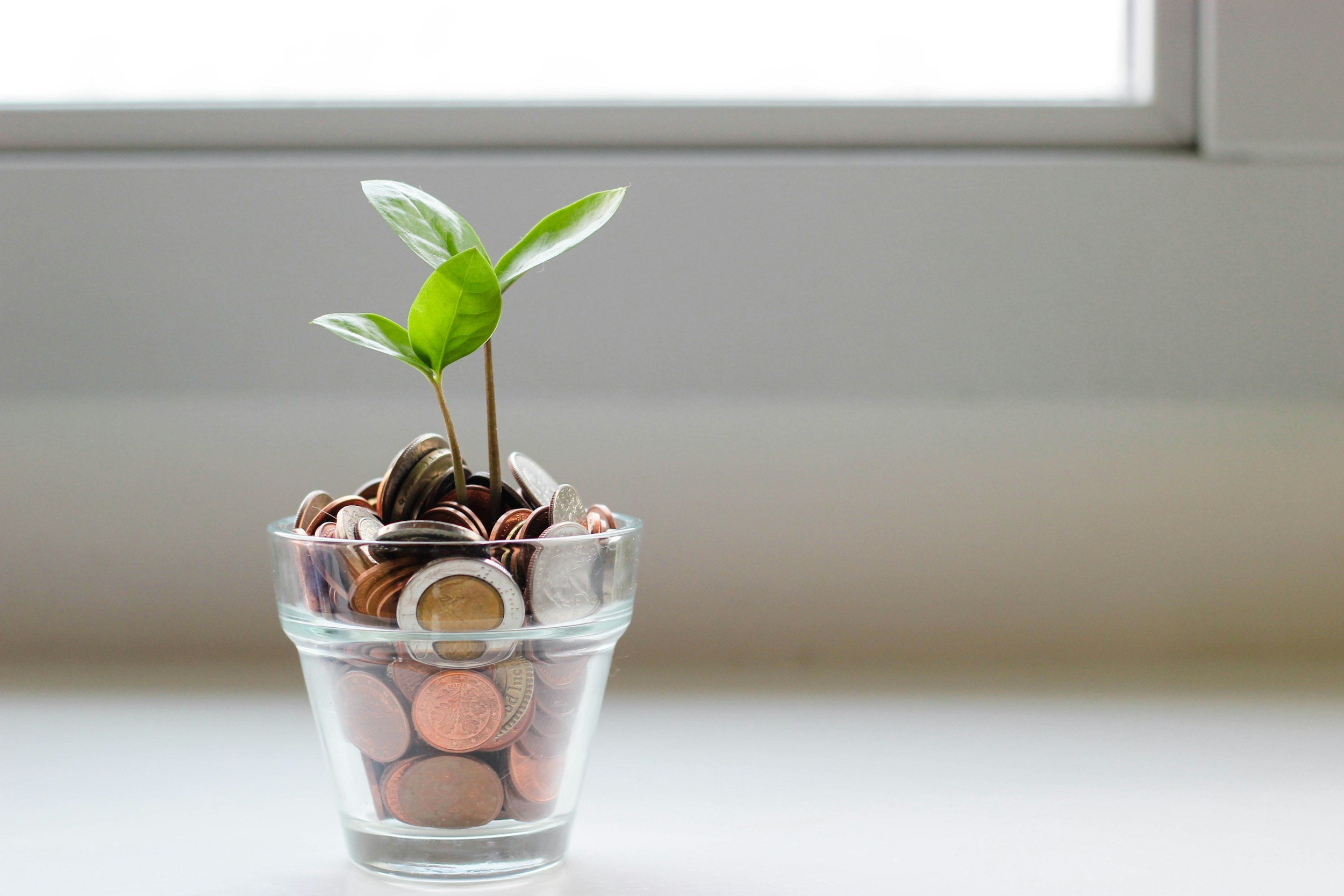
This week, I decided to rebel. I took the long way home, through the winding turns where the frost heaves are just starting to make themselves known. I didn’t spend a dime on the trip. Instead, I saw a red-tailed hawk surveying a thawed patch of meadow and felt the rhythmic shift of the gears in my old truck. That twenty-minute "delay" saved me the cost of a fast-food meal and a headache.
When we choose the country road, we are choosing a lower overhead for our souls. We start to see that "wealth" isn’t necessarily a larger number in a digital account, but the ability to exist comfortably without needing to buy our way through the day. There is a profound quiet that comes with knowing you don't need a "drive-thru" to feel sustained.
As we turn our eyes toward March, I invite you to look at your "speed taxes." Where are you paying extra just because you’re in a hurry? Is it the pre-cut vegetables, the expedited shipping, or the premium gas used to shave three minutes off a commute?
True financial wellness starts with the realization that time is the only currency we can’t earn back. When we spend it wisely on the slow path, we often find our wallets stay a little heavier, and our hearts a lot lighter. This month, let’s see how much we can save simply by refusing to rush.